If the fan runs but the pads stay dry, water is not moving through the cooler. Check the water level and float, clean the pump intake, test the pump, and clear the distributor. If that does not fix it, the pump usually needs replacing.
A swamp cooler needs water moving across the pads. If the pump fails, the water level is low, or lines are clogged, the cooler can blow warm air even though the fan sounds normal.
Likely causes
Six reasons water may not reach the pads.
You do not have to identify the exact part. These signs help you explain the pump or water-flow problem clearly when you call.
The pump is not turning on
If the fan runs but you do not hear the pump or see water moving, the pump may have failed or may not be getting power.
The reservoir water is too low
A low water level, closed supply, stuck float valve, or fill problem can keep the pump from moving enough water to the pads.
Water lines are clogged
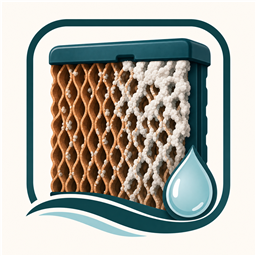
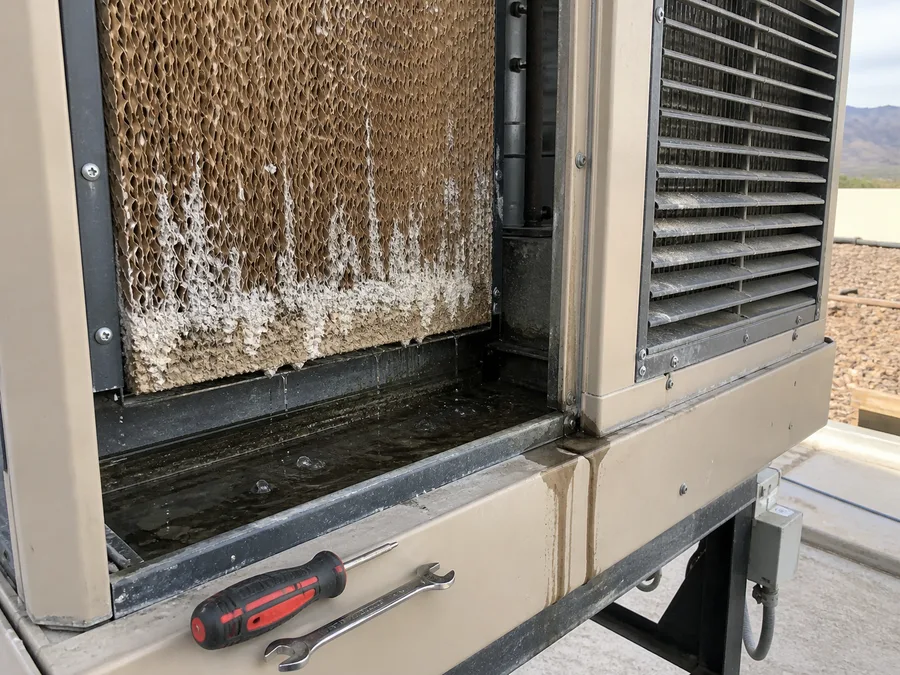
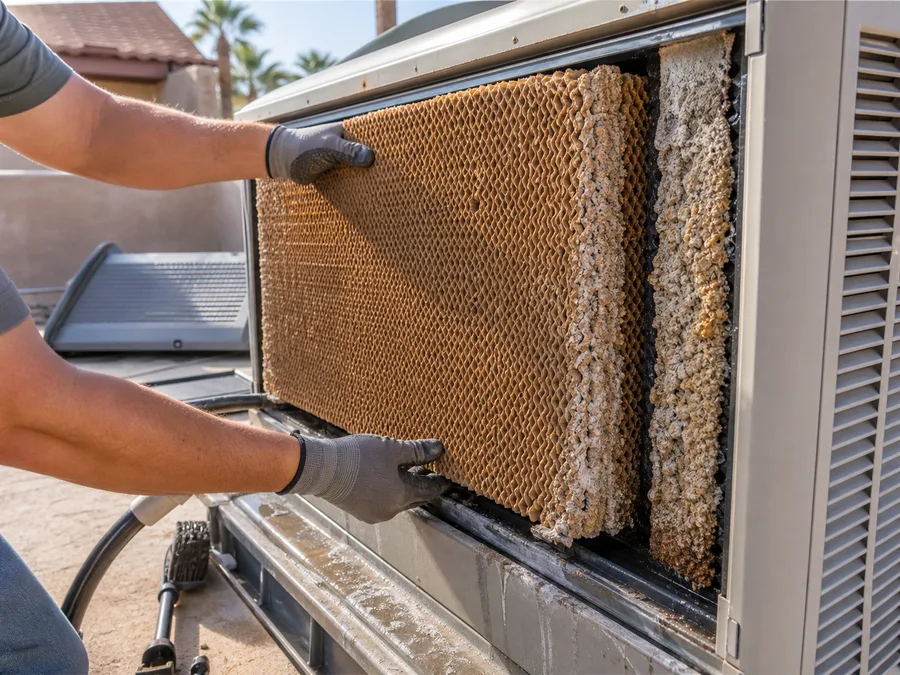
Mineral scale, dirt, or pad debris can clog distributor lines so the pump runs but water never reaches the pads evenly.
The pump runs but pads stay dry
A disconnected tube, blocked water distributor, weak pump, or broken water line can leave pads dry even while the pump makes noise.
The pump is noisy or vibrating
Buzzing, grinding, rattling, or intermittent pump noise can point to wear, blockage, low water, or a pump that is close to failing.
Electrical or control issue
A switch, control, wiring, or power issue can stop the pump from running even if the fan still works.
Water movement is the key clue
If the fan runs but water does not reach the pads, the issue may be the pump, float valve, low water level, clogged lines, or mineral scale.
Step by step
How to test, clean, and replace a swamp cooler pump.
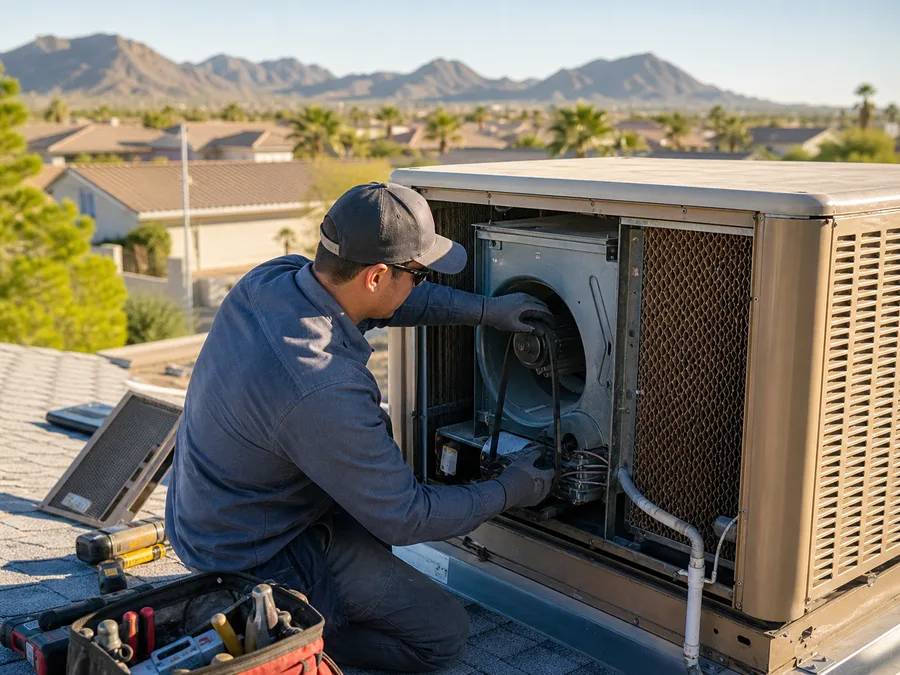
A pump swap is one of the most common do-it-yourself cooler repairs on ground and window units. Always cut power before opening a panel, and skip roof work in wind, heat, or wet weather.
01
Run the cooler on the pump or vent setting and listen. A pump that hums but moves no water is usually clogged or worn. A silent pump points to power, the plug, or a dead motor.
02
Turn off power at the breaker or unplug the cooler before you open a side panel or touch the pump.
03
Check the water level in the pan. It should sit a little below the top of the overflow tube. If it is low, make sure the supply valve is open and the float arm moves freely.
04
Lift the pump out of the pan and clean the intake screen and base. Scale and pad debris often choke the intake. With power off, the impeller should spin freely by hand.
05
Set the pump back in the water, close the panel, restore power, and run pump-only. Water should come out of the pump outlet tube within a few seconds. Keep hands out of the water while it is powered.
06
If the pump moves water but the pads stay dry, pull off the outlet hose and flush it, then clear the distributor or spider holes with a thin wire. Make sure every tube is connected.
07
If the pump still hums with a free impeller and no flow, or stays silent with power confirmed, replace it. Match the voltage, usually 115 V, and the pump size or flow rating for the cooler, and keep the same hose fitting.
08
Leave the job to a technician if the cooler is on a steep or high roof, the outlet or wiring looks damaged, or the breaker trips when the pump runs.
When to call
Call when the pads stay dry or water is not moving.
A pump or water-flow problem can turn into warm air, weak cooling, leaks, and repeat pad trouble. It is worth checking before peak heat.
The fan runs but the pads stay dry
The pump is silent, buzzing, grinding, or turning on and off
Water never reaches the pads or only wets one side
The cooler leaks after the pump starts
The house stays hot even though the cooler has been running
Call brief
What to mention when you call.
The most useful details are whether the pads are dry and what the pump sounds like.
Your ZIP code and nearest city
Whether the fan runs while the pads stay dry
Whether the pump is silent, buzzing, grinding, or cycling on and off
Whether water reaches any part of the pads
Any leaks, mineral scale, musty smell, weak airflow, or warm air
Whether the cooler is roof-mounted, side-mounted, window-mounted, or ground-level
Local conditions
Hard water can make pump and water-line problems more common.
Mineral scale can build up inside lines, around the pump, and across the distributor. In hot dry areas, dry pads become noticeable fast because the cooler depends on steady water flow.
Phoenix, AZ14 gpg / 220 cooling days
In Phoenix, hard-water scale can clog pump screens, lines, and distributors. Dry pads, pump noise, or uneven water flow are the clearest clues.
In Albuquerque, seasonal startup checks can still catch low water, pump noise, and dry pads. Dry pads, pump noise, or uneven water flow are the clearest clues.
In Denver, seasonal startup checks can still catch low water, pump noise, and dry pads. Dry pads, pump noise, or uneven water flow are the clearest clues.
A dry pad problem is not always only the pump
Mineral scale can clog pump screens, small water lines, and distributors, so water may fail to reach the pads even when the fan still runs.
How do I know if my swamp cooler pump is not working?
Common signs include dry pads while the fan runs, no visible water movement, pump buzzing or grinding, water reaching only part of the pads, or warm air from the cooler.
Can a swamp cooler fan run if the pump is bad?
Yes. The fan and pump can fail separately. The fan may still move air while the pump fails to wet the pads, which means the cooler will not cool well.
Why are my swamp cooler pads dry?
Dry pads can come from a bad pump, low water level, closed supply, stuck float valve, clogged distributor lines, or a disconnected water tube.
Should I keep running a swamp cooler if the pump is not working?
If the pads stay dry, the unit is not providing normal evaporative cooling. Turn it off if there is leaking, electrical concern, unusual noise, or overheating; otherwise request repair help instead of expecting fan-only operation to cool the home.
How do I test a swamp cooler pump?
With the pump sitting in water, run the cooler on pump-only. Water should come out of the outlet tube within seconds. If it hums without flow, clean the intake and check the impeller. If it is silent, confirm the outlet has power before replacing the pump.
Can I replace a swamp cooler pump myself?
On many ground and window units, yes. Turn off power, unplug and lift out the old pump, move the hose to the new one, and match voltage and size. Roof-mounted units or any wiring damage are better left to a technician.
Can hard water clog a swamp cooler pump or water lines?
Yes. Mineral scale can clog water lines, distributors, pump screens, and pad media. White crust or uneven water flow is a useful detail to mention when you call.
Do not keep running a dry cooler through peak heat.
If the pads stay dry or the pump is making noise, call or request an estimate and describe what the cooler is doing.