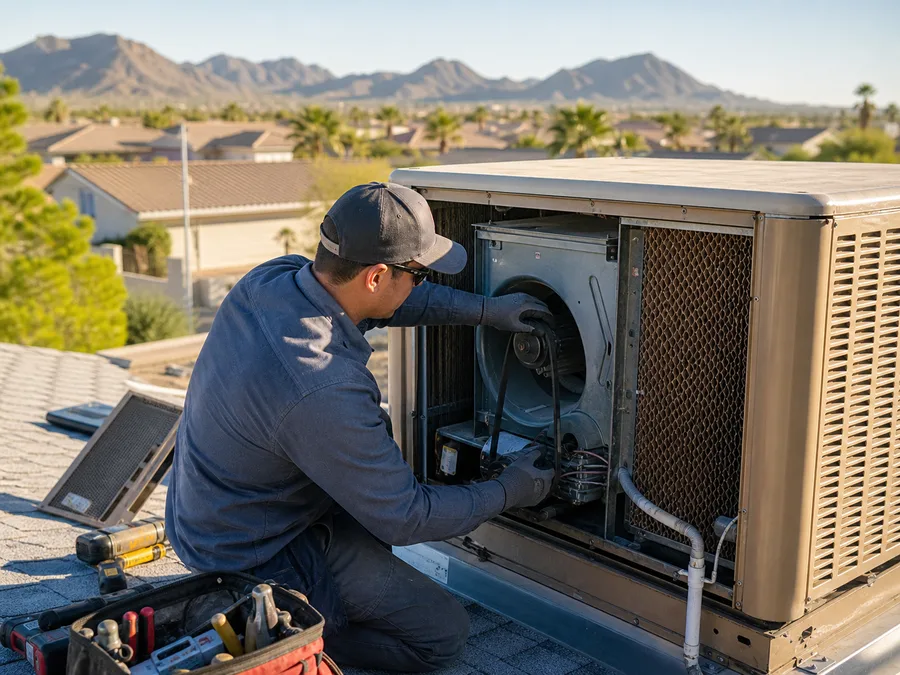
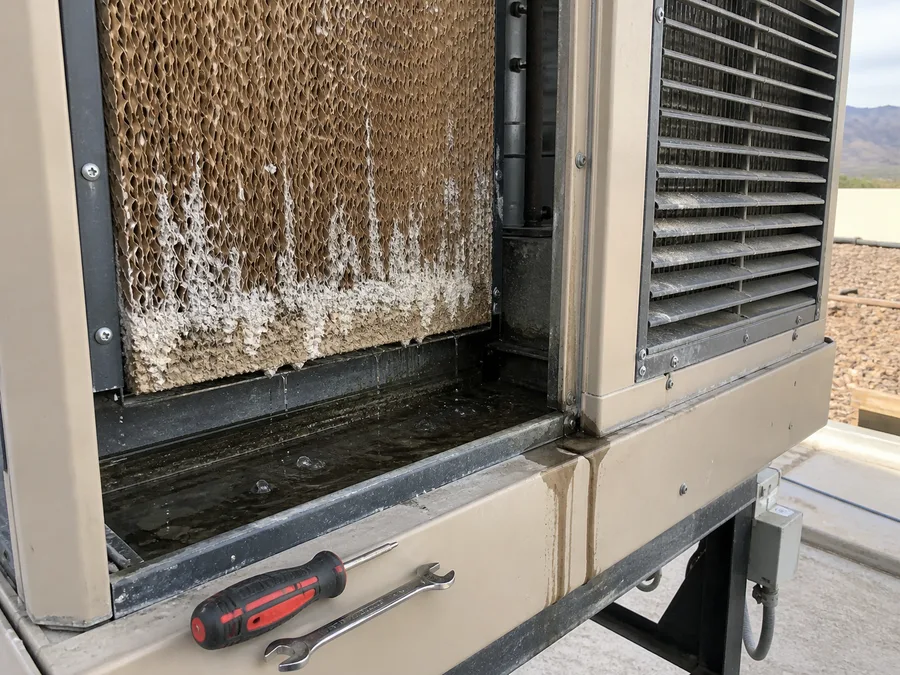
If the unit runs but the house stays hot, compare the temperature and strength of the air at the vents. Warm air points toward pads or water flow; cool but weak air points toward airflow, ducts, exhaust relief, or capacity.
Warm supply air usually starts with pads or water flow. Cool air that never cools the home points more toward airflow, ducts, exhaust relief, humidity, or an undersized unit.
Air warm?Start with pads and water flow.
Air cool but weak?Look at airflow, belt, fan, and ducts.
Rooms uneven?Check distribution and the air-exit path.
If air at the vent is warm, water and pad problems are likely. If the air is cool but the home stays hot, look more closely at airflow strength, ducts, room balance, the path for air to leave the home, humidity, and cooler capacity.
Likely causes
Six reasons a swamp cooler runs but does not cool.
The temperature at the vent, airflow strength, room-to-room differences, outdoor humidity, and the home's air-exit path help narrow the problem.
The air from the vents is not cool
If the supply air itself feels warm, start with pad wetting, pump flow, the water supply, and mineral scale. That is a different problem from cool air that never reaches the rooms strongly enough.
Cool air is moving too slowly
A loose belt, dirty pad, fan or motor issue, blocked grille, or duct restriction can reduce airflow even when the air near a vent feels cool.
The house has too little exhaust relief
A direct evaporative cooler brings outside air into the home, so that air also needs a path out through an open window, door, or dedicated relief vent arranged for the system.
One room is not receiving enough air
If most of the home feels comfortable but one room stays hot, the issue may be a closed register, duct restriction, poor balance, or too little exhaust opening in that part of the home.
Humidity is higher than usual
Evaporative cooling loses some temperature drop when outdoor humidity rises. If the house cools well on dry days but struggles during a humid or monsoon stretch, note that pattern.
The unit is undersized or worn out
Older, rusted, or undersized coolers can struggle during peak heat even after basic pad or pump checks.
Running does not always mean cooling
A cooler can produce cool air and still leave the home uncomfortable when airflow, ducts, exhaust relief, or unit capacity are limiting delivery.
Safe checks
Check only what you can observe safely.
Do not climb onto a roof, open electrical components, or reach into a running cooler. These simple observations still help.
01
At a supply vent, notice whether the air feels warm, cool but weak, or cool with normal airflow.
02
Compare rooms: note whether the whole home stays hot or only one area has weak airflow.
03
Check whether the home has the open-window, door, or relief-vent path used by the evaporative cooling system.
04
Pay attention to when comfort drops: all day, only late afternoon, or mainly during humid weather.
05
Listen for a fan that sounds slower, rougher, or louder than usual.
06
If water is leaking, pooling, or entering the home, stop using the cooler and ask for repair help.
When to call
Call when the cooler keeps running but the house stays hot.
Cooling problems usually get worse during peak heat. A quick call can help you explain the symptom and ask what service makes sense.
The air feels cool at a vent, but the house still does not become comfortable
Airflow is weak at several vents or one part of the home stays much warmer
The system has an exhaust path, but the home still feels stuffy or pressurized
Cooling falls sharply every afternoon even when the weather remains dry
The cooler leaks, smells musty, rattles, or trips power
Call brief
What to mention when you call.
These details help narrow the problem before the unit is inspected.
Your ZIP code and nearest city
Whether the fan runs, and whether air is warm or just weak
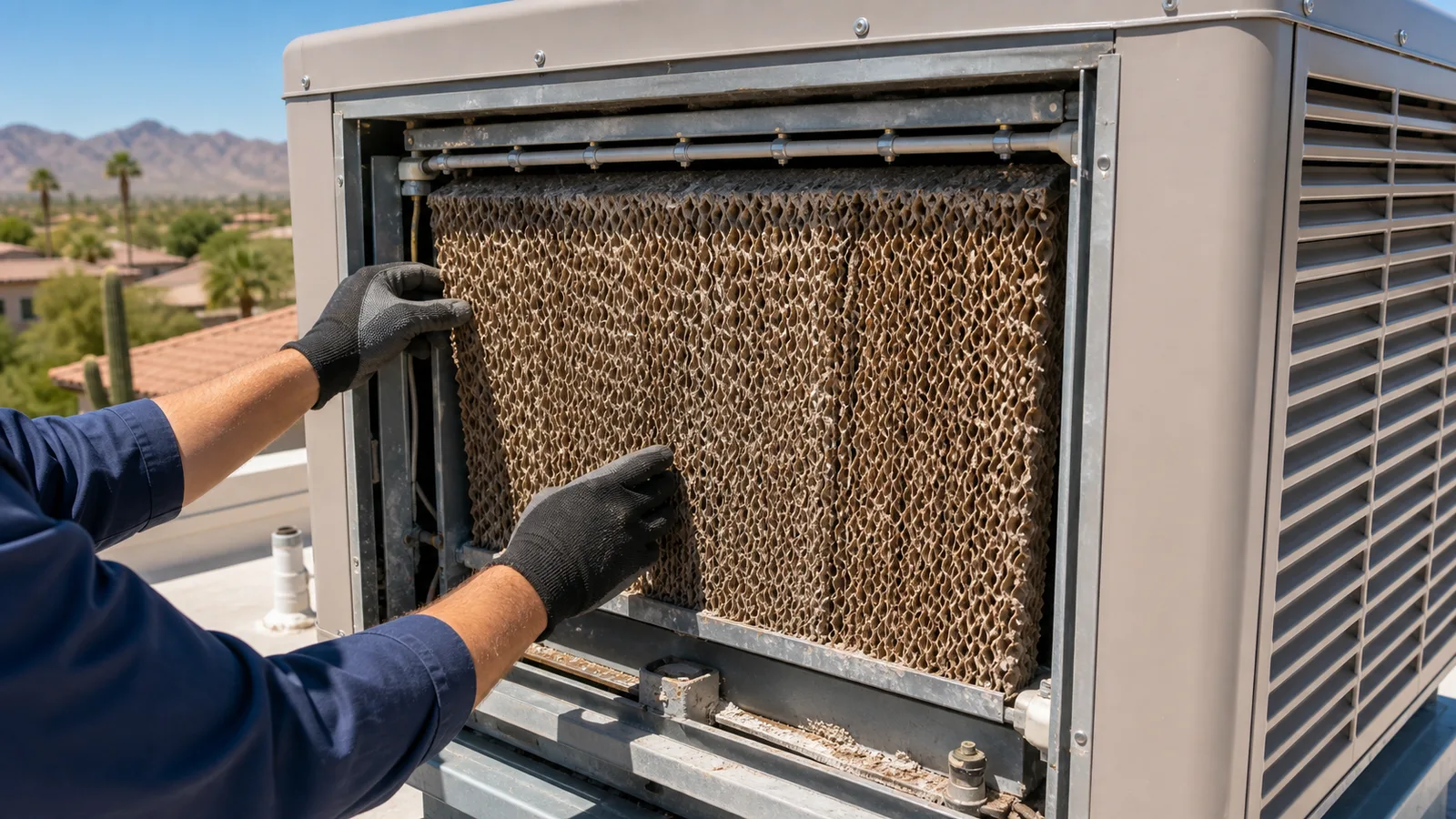
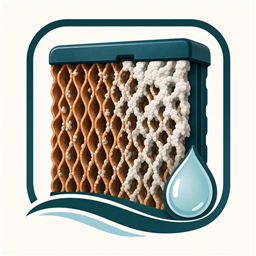
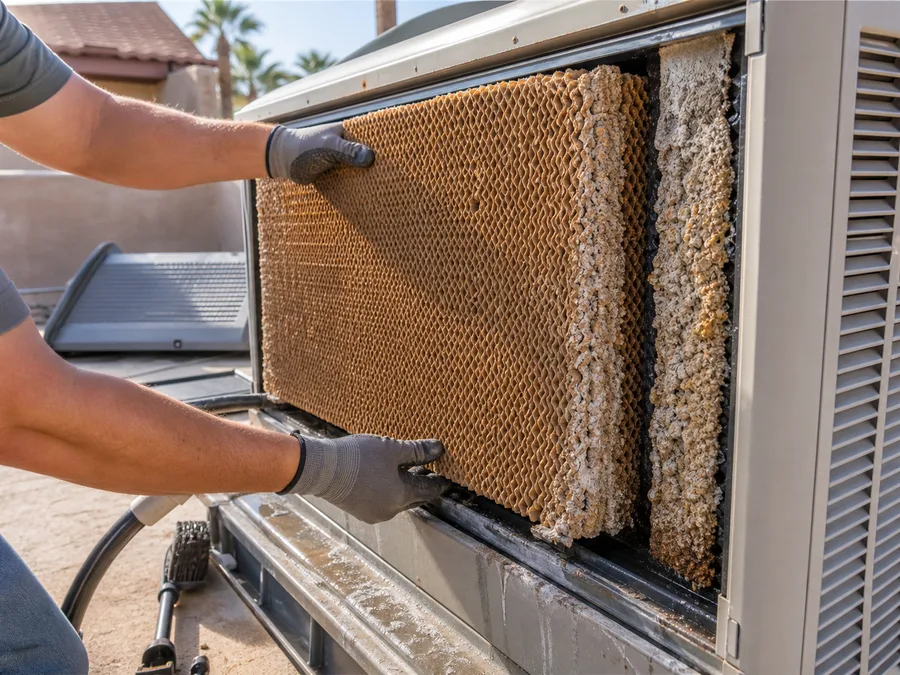
Whether pads look wet, dry, dirty, or crusted with white buildup
Any pump noise, leak, vibration, musty smell, or power issue
Whether the cooler is roof-mounted, side-mounted, or ground-level
When the pads were last replaced or the cooler was last serviced
Local conditions
Afternoon heat and humidity can expose whole-home limits.
Compare dry mornings, peak afternoon heat, and humid stretches. That pattern can help separate a mechanical problem from airflow, sizing, or weather-related performance.
Phoenix, AZ106°F / 21% humidity
14 gpg water hardness, 220 cooling days, and dry air favors evaporation, while long hot afternoons can expose airflow or sizing limits.
Start with air temperature and airflow strength
Warm air points back to pads and water. Cool but weak air points more toward the fan, belt, ducts, room balance, or the path for air to leave the home.
Why is my swamp cooler running but not cooling the house?
First separate air temperature from air delivery. Warm supply air points toward pads or water flow; cool but weak air points more toward the fan, belt, ducts, air balance, or the exhaust path through the home. Humidity and an undersized unit can also limit whole-home comfort.
Why is the air cool at the vent but the house still hot?
Cool supply air may not be reaching enough of the home. Weak fan output, a loose belt, duct restriction, poor room-to-room balance, too little exhaust relief, or a cooler that is undersized for the home can all reduce whole-house cooling.
Do windows need to be open when a swamp cooler runs?
A direct evaporative cooler continually brings outside air into the home, so it needs a path for indoor air to leave. Depending on the system, that may be an open window or door, an up-duct, or another dedicated relief vent. Follow the cooler and home ventilation setup rather than sealing the house like central air.
Can hard water make a swamp cooler stop cooling?
Yes. Mineral scale can clog pads, water lines, and distributors. White crust on the pads or inside the cooler is a useful detail to mention when requesting help.
Should I call if the cooler runs but the house stays hot?
Yes, especially if the pads are dry, airflow is weak, water is leaking, the cooler smells musty, or the same problem keeps coming back after basic maintenance.
Do not wait through another hot afternoon.
If the cooler runs but the house will not cool down, call or request an estimate and describe what the unit is doing.